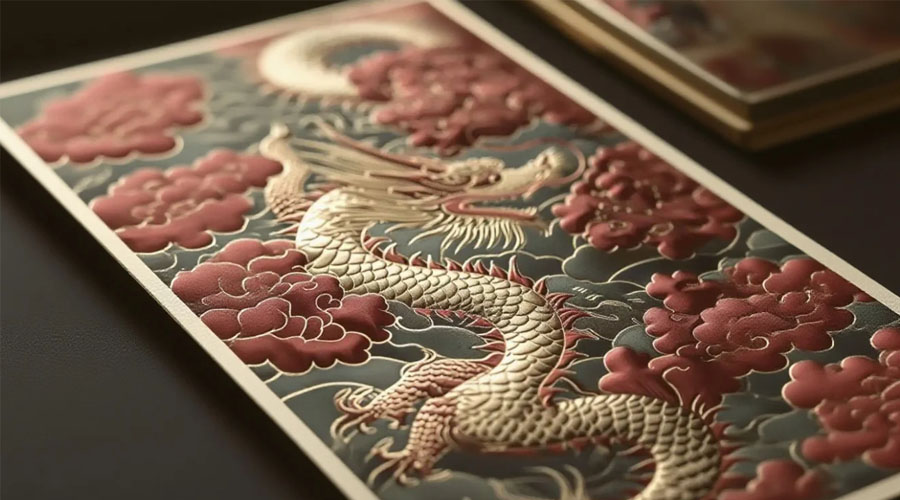
In the field of gift packaging design, consumers' pursuit of luxury has long surpassed the single expression of flat visuals, instead challenging tactile experiences and material depth. Embossed foil stamping technology is a key to this upgrading revolution: it transforms flat textures into three-dimensional tactile sensations, allowing the sparkle of metal and the details of materials to resonate with each other, redefining the value language of gift packaging.
Key Takeaways
- Embossed foil stamping technology transforms flat design into a three-dimensional tactile experience, making gift packaging not only visually appealing but also enhancing consumers' tactile memories.
- This technology emphasizes the symbiosis of color and texture, strengthening the visual tension and depth of gifts through the reflection of metallic foils and the height differences of embossing.
- As a key tool for brand identity, embossed foil stamping can enhance the uniqueness and collectible value of a brand, and will further develop towards ultra-micromachining and eco-friendly materials in the future.
1. From Flat to Three-Dimensional: The Technological Evolution of Embossed Foil Stamping
The early gift packaging foil stamping technology was often limited by craft constraints, only able to create a sense of luxury on flat surfaces through uneven impressions or monochromatic metallic foil pieces. This method had a single visual level, and the tactile feel lacked subtle variations. It was not until the combination of embossed craftsmanship and foil stamping technology that gift packaging truly entered the era of three-dimensionality.
The key to the technology lies in the design and precise molding of the embossed molds. Using pre-carved metallic molds, the surface of the paper or material is pressed to form three-dimensional embossed textures, while combining gold foil, silver foil, or even pearlescent color foils to create a dual impact of visual depth and tactile contrast. The packaging of high-end chocolate gift boxes can carve the brand logo in the center of the lid using embossed craftsmanship, covered with dark gold foil; at the moment of opening the box, the dual details of vision and touch reveal the gift's nobility instantly.
2. Why Can Embossed Foil Stamping Become the Anchor Technology of Gift Packaging?
1. Strengthening Tactile Memory: Consumers' perception of high-end gifts often stems from the momentary experience during unboxing. The three-dimensionality of embossed textures can stimulate subtle vibrations in the palm, making gift packaging a memorable object. For example, the delicate convex and concave patterns along the edge of a gift box or the raised embossed areas at the opening button may be small, but they can greatly enhance the sense of participation during the unpacking process.
2. Symbiosis of Color and Texture: Foil stamping technology converts flat color tones into dynamic luster through the refractive properties of metallic foils. The height differences in embossing allow the metallic colors to present depth changes from different angles; the embossed floral patterns on a gift box surface, when foil stamped, seem to exhibit a three-dimensional gradient effect, enhancing the design's tension and layers.
3. Enhanced Brand Recognition: For brands pursuing differentiation, embossed foil stamping technology is a key tool for shaping uniqueness. A certain jewelry brand has micro-engraved the signature of its founder on the side of the gift box, and through micro-foil stamping, the text only appears in specific light, making the gift packaging a hidden symbol of the brand.
3. The Emotional Carrier of Gift Packaging: The Application Logic of Embossed Foil Stamping
The value of embossed foil stamping technology is not limited to the craft itself but transforms gift packaging into a medium of emotional communication.
1. Managing the First Impression of Gifts: Through the three-dimensionality of embossing, the material and color of the gift box can be magnified the moment consumers come into contact. If the packaging of a box of handmade chocolates uses linen paper as the base and presses finely embossed net patterns on the surface before applying deep red foil, it conveys a luxurious image within simplicity even before opening the box, resonating with the chocolates inside.
2. Psychological Suggestion through Details: The density of embossed patterns and the range of foil stamping can subtly influence consumers' judgments of gift value. Studies show that the larger the area of foil stamping in the embossed section, the more consumers tend to believe that the gift is worth collecting; the complexity of the embossed patterns correlates positively with the perceived craftsmanship quality of the brand.
3. Functional Extension for Sustainable Use: More and more brands combine embossed foil stamping with the secondary use value of packaging. The outer shell of a perfume brand gift box is shaped with simple line patterns using embossed craftsmanship, which can be used as a storage box after opening; the embossed patterns become the visual focus during use, extending the value of gift packaging.
4. Future Directions: The Ultimate and Lightweight Nature of Embossed Foil Stamping
The advancement of technology continually pushes the boundaries of gift packaging. Currently, the research and development direction of embossed foil stamping technology mainly focuses on two major areas:
1. Ultra-micromachining Technology: With the improvement of laser engraving precision, the minimum line width of embossed textures can now be controlled below 0.1mm, allowing embossed patterns on gift packaging to present a delicate feel like hair strands. The surface of gift boxes for tea brands can reproduce the textures of tea tree leaf veins with embossed craftsmanship, complemented by gold foil stamping, as if a golden leaf has been pressed onto the box surface.
2. Compatibility with Eco-friendly Materials: Traditional metallic foils are increasingly called into question under environmental issues, while the emergence of plant-based biodegradable metallic foils allows embossed foil stamping technology to maintain a sense of luxury while reducing environmental impact. Foil made from corn starch as a base can retain its shine and completely decompose in the natural environment.
From purely visual aesthetics to a deep integration of tactile and emotional elements, embossed foil stamping technology redefines the role of gift packaging as a value carrier. It enables consumers to perceive not only the value of gifts at the moment of unboxing but also the craftsmanship and intentions of the brand through their fingertips. Each evolution reminds us: in the gift economy, true luxury is never merely a pile of materials but a precise response of craftsmanship to human perception.
Frequently Asked Questions (FAQ)
Q1:What is embossed foil stamping technology?
A1:Embossed foil stamping technology transforms flat textures into three-dimensional tactile sensations, combining materials like gold foil and silver foil to add visual depth and tactile contrast to gift packaging, thus enhancing its value perception.
Q2:Why do consumers prefer embossed foil stamped packaging?
A2:Consumers place greater importance on tactile experiences, and embossed foil stamping creates strong tactile memories at the time of unboxing, enhancing the sense of participation in opening gifts, which in turn boosts the value perception of the gift.
Q3:How does embossed foil stamping technology affect brand image?
A3:Embossed foil stamping technology enhances brand recognition, giving brand packaging a unique character and strengthening emotional connections with customers through subtle designs.
Q4:What is the future development direction of embossed foil stamping technology?
A4:In the future, embossed foil stamping technology will focus on ultra-micromachining technology and compatibility with eco-friendly materials, seeking innovations that achieve higher delicacy while reducing environmental impact.


 Service Details
 Projects
 Gallery


 繁體中文(香港)
 繁體中文(澳門)
 繁體中文(台灣)
 简体中文
 English
 日本語
 한국어
 English
 ไทย
 English


 Email
 WhatsApp


 Sign in with Facebook


 Whatsapp
 Facebook
 Line
 Copy Link


