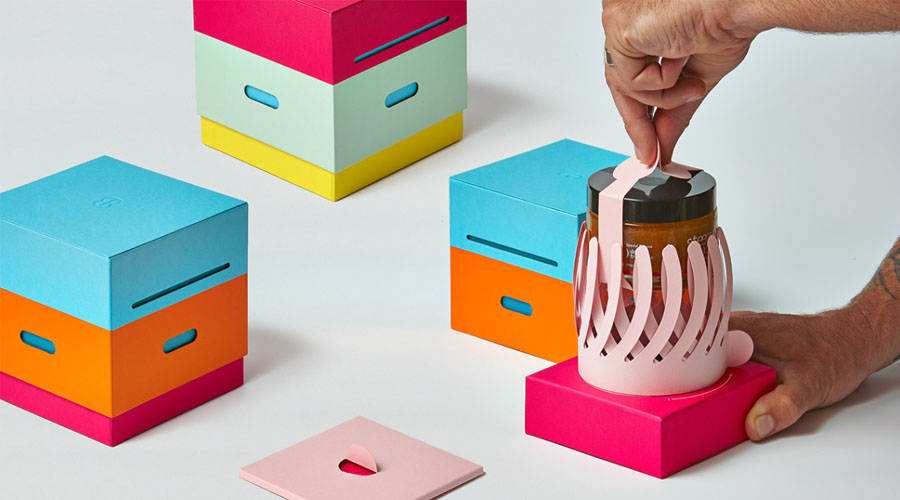
Illustrations on delivery boxes are beginning to provoke more social media sharing than the contents themselves, and the unboxing ritual is gradually replacing the product as a topic of social conversation. Packaging design is quietly reconstructing the modern discourse of consumption. In a digitally overloaded existence, young consumers are willing to pay an additional 20% premium for creative packaging, which fundamentally represents a revolution in the efficiency of emotional connection.
Key Takeaways
- Packaging design is no longer just about protecting products, but has become a medium for emotional communication, enhancing consumer experience and guiding the narrative of brand stories.
- Young consumers are willing to pay a premium for creative packaging, with aesthetics and sustainability in packaging becoming key factors in attracting brand attention, reshaping social etiquette.
- Designers transform packaging into sustainable emotional carriers through the concepts of time and space, fostering deeper connections between consumers and brands, and enhancing the cultural value of products.
1. The Language Reconstruction of Packaging as a Medium
Contemporary packaging has long surpassed the basic function of protecting products and has evolved into a three-dimensional communication carrier. Customized gift boxes printed with interactive puzzles guide the gift recipient to gradually unlock hidden blessings during the unboxing process; gift bags made with heat-sensitive ink reveal details of seasonal changes when touched by warm hands. Packaging transforms one-way transmission into a two-way dialogue, making the unboxing process itself an immersive theater for brand storytelling.
Gift boxes printed with environmentally friendly soy ink change their patterns over time through oxidation, creating unique textures. Tags made from seed paper can be soaked and used to cultivate micro-green plants on an office windowsill. Packaging design blurs the lines between products and gifts, embedding brand memories into everyday life with growable creativity.
2. Emotional Containers and Spatial Narratives
Modern packaging designers resemble psychological space architects, constructing emotional resonance within confined spaces. Tea ceremony packaging that folds into a three-dimensional structure features a mortise and tenon design that both secures products and forms a display stand; stationery gift boxes with magnetically layered designs allow each compartment to transform into independent desktop storage components after being removed. The spatial game not only enhances the fun of unboxing but also prolongs the lifecycle of the packaging.
Gift bags with precisely calculated light transmittance project silhouettes of corporate values under specific lighting. Refillable perfume packaging is engraved with urban skylines, and once the liquid is used up, the container automatically transforms into a miniature landscape lamp. Design turns packaging into a sustainable emotional carrier, continuously releasing the warmth of the brand through functional transitions.
3. Sensory Expression of Environmental Advocacy
Innovations in sustainable packaging are breaking away from preachy models, shifting towards more compelling aesthetic practices. Gift boxes made from a mixture of bamboo fiber and coffee grounds emit a natural wooden fragrance upon unboxing; transparent films made from algae extracts can be dissolved in water and used as plant nutrients. Packaging transforms environmental commitments into perceptible sensory experiences, achieving a silent transmission of green concepts at the moment of unboxing.
Cookie gift jars printed with edible ink use baking-grade glutinous rice paper for the outer packaging, accompanied by a brush to write blessings on the jar's surface after soaking. Once the snacks are enjoyed, the packaging dissolves in water, creating a piece of ink art. Edible design subverts traditional packaging logic, establishing unique brand memory points through playful interactions.
4. The Youthful Translation of Cultural Genes
The rebirth of traditional elements in modern packaging lies in finding the golden mean between ancient charm and modern trends. Tea canisters based on movable type printing concepts embed descriptions of different tea varieties in each depressible letter; chocolate gift boxes made using lacquerware techniques exhibit a starry effect that changes with temperature and humidity due to cocoa powder mixed in the lacquer layers. Design allows cultural gift packaging to shed its museum-like aura and truly integrate into contemporary life contexts.
Fragrance sets themed around the 24 solar terms feature outer boxes designed like ancient book bindings, with tear-off scent postcards inside. Each piece of paper burns to produce ash that can piece together poems about the solar terms, while a matching app can scan the ash patterns to generate dynamic ink wash paintings. Packaging breaks down cultural experiences into interactive modern rituals, activating traditional wisdom in the blend of virtual and real.
5. The Logic of Creating Social Currency
Packaging design with spontaneous communicative power is essentially about creating discourse power within social scenes. Cosmetic gift boxes with gradient iridescent coatings display exclusive color codes from different angles; beverage packaging containing pressure-sensitive chips automatically generates timestamped electronic greeting cards upon opening. Design transforms the unboxing process into a social etiquette of the digital age, with every detail stimulating users' desire to share.
Modular gift bags that can be freely combined allow consumers to mix different brand packaging elements through magnetic interfaces. A matching mini-program can scan the combined result to generate exclusive art posters, with open design meeting personalized expression while forming a fluid brand display matrix.
6. The Art of Packaging Time Value
Quality packaging should possess the temporal and spatial flexibility to extend experiences. A frame-style gift box combining seed paper and acrylic can be transformed into a plant cultivation box after unboxing; signed satin ribbons filled with slow-drying ink will reveal oxidation traces over time after the recipient writes their blessings. Design infuses the temporal dimension into the lifecycle of packaging, transforming product consumption into a continually growing emotional investment.
A book gift box printed with moonlight-sensitive ink reveals layers of annotations during nighttime reading for collaborative writing. A matching app can capture light and shadow changes at different times, turning the packaging into a temporal map that records reading progress. Design redefines the companionship value of gifts, preserving flowing time marks within material carriers.
In this age of information dust, creative packaging acts like the rhetorical master of the business world, reconstructing product value through visual grammar. 78% of young consumers are willing to pay extra for creative packaging, effectively paying for emotional resonance, cultural identity, and social capital. Brands that truly understand the grammar of consumption in the internet age have long regarded packaging as the second soul of gifts, as in this era where everything can be shared, designs that can capture someone's thumb for three seconds are the most precise traffic portals.
Frequently Asked Questions (FAQ)
Q1:What are the main functions of modern packaging?
A1:Modern packaging is not only used to protect products but has become a three-dimensional communication carrier that conveys brand stories and emotions through the unboxing process.
Q2:Why are young people willing to pay a premium for creative packaging?
A2:Young people are willing to pay a 20% premium for creative packaging because such packaging effectively invokes emotions, enhances the consumer experience, and increases the likelihood of social sharing.
Q3:How to design sustainable packaging to attract consumers?
A3:By adopting eco-friendly materials, such as bamboo fiber and algae extracts, and incorporating sensory experiences into the packaging, brands can effectively attract consumers who identify with sustainability concepts.
Q4:How can packaging become a tool for discourse power on social media?
A4:Innovative packaging designs can enhance a product's shareability on social media, such as built-in pressure-sensitive chips and color-changing effects, creating social scenarios that attract others' attention.


 Service Details
 Projects
 Gallery


 繁體中文(香港)
 繁體中文(澳門)
 繁體中文(台灣)
 简体中文
 English
 日本語
 한국어
 English
 ไทย
 English


 Email
 WhatsApp


 Sign in with Facebook


 Whatsapp
 Facebook
 Line
 Copy Link


