When recognizing outstanding employees, choosing the right gifts is crucial. Gifts not only affirm their hard work but also serve as important means to motivate other employees. To select appropriate gifts, one must consider the actual needs of the employees, the brand image of the company, and the long-term effects of the rewards. Regardless of the type of gift chosen, it must reflect recognition for outstanding employees and aim to motivate others.

Key Takeaways
- When choosing gifts, consider the preferences and practicality for employees to enhance their satisfaction and sense of recognition, thereby motivating their enthusiasm.
- The gifts should possess durability and commemorative significance to convey recognition and encouragement for excellent performance in the long term, strengthening employees' sense of belonging.
- Rewards can take various forms, such as individual gifts and team activities, and must align with the company culture and values to aptly showcase corporate image and attract talent.
What to Consider in Choosing Outstanding Employee Reward Gifts
Choosing the right gifts to recognize outstanding employees is one of the important tasks for employers or leaders. Outstanding employee gifts not only affirm and incentivize excellent performance but also serve as a vital way to demonstrate the company's concern for employee welfare and values. When selecting appropriate gifts, the following factors need to be considered.
Consider Employees' Preferences and Interests
Understanding employees' hobbies can help choose gifts that meet their personal needs. For example, if an employee enjoys outdoor sports, high-quality sports gear or activity experiences can be chosen as rewards; if an employee loves art, artworks or tickets to art exhibitions can be suitable choices. By considering employees' interests and hobbies, gifts can closely meet personal needs, increasing their sense of recognition and satisfaction with the rewards.
Consider the Practicality of the Gifts
Selecting practical gifts ensures that employees gain actual value and benefits from them. High-quality electronic products, office tools, or practical household items are strong choices. These gifts not only enhance employees' work efficiency and quality of life but also serve as a lasting reminder of their excellent performance rewards.
Consider the Durability and Longevity of the Gifts
Choosing high-quality, durable gifts ensures that employees can enjoy the benefits of the rewards in the long term. Durable gifts can also convey the company’s importance and care for its employees. For example, high-quality branded stationery, leather goods, or jewelry are excellent options that offer longevity and durability.
Commemorative Significance of Gifts
Choosing gifts with commemorative significance can increase employees' value and cherish the rewards. For example, custom business card holders, medals, or personalized albums are gifts with commemorative significance. These gifts can permanently record employees' achievements and honors within the company, becoming significant memorabilia in their careers.
The Company's Culture and Values
Gift selections should align with the company's culture and values to showcase the company's image and values. For instance, if the company emphasizes environmental protection and sustainability, eco-friendly products can be chosen as rewards, reflecting the company’s environmental理念 and responsibility. Selecting gifts that resonate with corporate culture and values can strengthen employees' recognition of the company culture and enable them to become transmitters of that culture when using the gifts.
Experiential Gifts
Experience-based rewards like concert tickets, spa vacations, or fine dining vouchers allow employees to enjoy unique experiences and create wonderful memories. These gifts provide employees with leisure and entertainment different from their daily work, allowing them to feel the company’s care and motivation while relaxing.
Innovative Gifts
Consider selecting some novel and unique gifts to showcase the company's innovative spirit and increase the appeal of the rewards. For example, selecting the latest smart devices or tech products as rewards can make employees feel the company’s attention to technological advancements and ignite their innovative thinking.
Establish Team Awards
In addition to individual awards, establishing team awards can encourage teamwork and joint efforts. For example, organizing a team trip or team-building activity as a reward allows team members to share joy and build cohesion together.
Recommended Reward Recognition Gifts
Here are some recommended reward recognition gifts:
Honorary Souvenirs
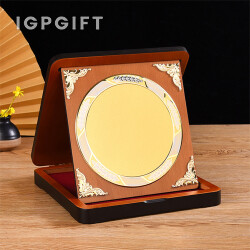
Traditional recognition methods represent work achievements and honors, holding significant symbolic meaning. These gifts look exquisite and are suitable for display in offices or meeting rooms to motivate other employees.
Gift Recommendations:
Company Customized Products
The company can customize products featuring its logo or slogan as rewards. This not only reflects the company’s brand image but also allows the rewarded employees to feel prouder. For instance, customized notebooks, pen holders, or mouse pads are practical small gifts.
Gift Recommendations:
Practical Office Supplies
Providing high-quality, practical office supplies as rewards for employees who frequently use them is a good choice. For example, high-quality laptops, tablets, phone cases, mice, and keyboards. These items not only meet employees’ work needs but also demonstrate the company’s care.
Gift Recommendations:
Health and Wellness Gifts
For employees who work long hours in an office, providing health and wellness gifts is also a good option. For example, massagers, health pillows, health foods, etc. These gifts not only relieve employees’ fatigue but also reflect the company’s care.
Gift Recommendations:
Travel/Team Building Activities
For employees who perform exceptionally well, offering a travel or team-building activity opportunity is also an excellent choice. This not only allows them to relax but also enhances team cohesion and boosts employees’ motivation at work.
Equity/Stock Options Rewards
For senior managers or employees in key positions, providing stock or stock option rewards is a long-term incentive strategy. This not only raises employees’ job satisfaction and loyalty but also helps attract and retain top talent for the company.
Importance of Rewarding Outstanding Employees
Rewarding outstanding employees is a crucial part of company motivation mechanisms, with significant implications for the long-term development of the company and the personal growth of employees.
Inspiring Employees’ Enthusiasm and Motivation
By rewarding outstanding employees, companies can inspire employees' enthusiasm and motivation at work. Rewards serve as recognition and compensation for employees' work performance, allowing them to feel their efforts and contributions are acknowledged, leading to a deeper commitment to their jobs and a pursuit of excellence. This helps improve employees' work efficiency and quality, driving overall performance improvement for the company.
Enhancing Team Cohesion and Cooperation
Rewarding outstanding employees has a positive impact on the cohesion and cooperation of teams. When outstanding employees receive recognition, not only do individuals benefit, but the entire team feels proud and motivated. This can enhance trust and collaboration among team members, fostering teamwork to face challenges and achieve better results.
Increasing Employee Satisfaction and Loyalty
Rewarding outstanding employees can boost their satisfaction and loyalty. Employees put in a lot of effort at work and hope to receive recognition and rewards. When they receive rewards, they feel their value is acknowledged, increasing their sense of belonging and loyalty to the company. This helps lower employee turnover rates and improves long-term retention.
Encouraging Innovation and Continuous Progress
Rewarding outstanding employees can stimulate employees’ innovative capabilities and their drive for continuous improvement. Outstanding employees often possess excellent work abilities and innovative thinking, and their rewards can encourage other employees to learn and pursue excellence. This helps create a positive work atmosphere, fostering more innovation and improvement, pushing the company to continuously progress and develop.
Building a Good Corporate Image
Rewarding outstanding employees contributes to shaping a good corporate image. Employees are one of the company’s most important assets, and by fairly and justly rewarding outstanding employees, the company shows its respect and care for its employees. This helps to attract top talent to join the company, enhancing the company’s reputation and competitiveness.
Categories of Honorary Souvenirs
In the workplace, recognizing outstanding employee performance is very important. Honorary souvenirs carry more quality and collectible value compared to other gifts, representing not just a reward, but also affirming and recognizing employees' hard work, bringing endless honor and encouragement to your team members.
Below is a brief overview of the most popular categories of honorary souvenirs and the details to consider when customizing them.
Medals
Medals are used to commemorate winners in competitions or contests, usually made from metal or other materials, featuring specific shapes, colors, and textures. Medals not only serve as material rewards but also symbolize honor and achievement. Besides traditional metal medals, modern designs may use various materials or more innovative forms.
Gift Recommendations:
1. Material Selection
The materials for medals can include metal, plastic, wood, etc. Among them, metal is the most commonly chosen material due to its high gloss, good texture, and premium feel. Depending on the practical needs of the medals, materials with special purposes such as magnets or commemorative coins can also be selected.
2. Medal Size
The size of medals is usually customized based on practical needs. You can choose petite sizes or grand sizes, depending on the actual purposes and requirements of the medals.
3. Medal Patterns
The design of medal patterns is very important; it represents respect and honor for the recipients. The patterns should be designed based on the characteristics of the award: for individuals or groups, their names or organization names can be printed on the medals along with corresponding graphics and logos; for awards in competitions, relevant competition information can be printed on the medals.
4. Medal Surface Treatment
Surface treatment of medals is vital for enhancing their beauty and quality. Various methods such as painting, plating, and spraying can be used for surface finishing. Depending on practical needs and requirements, special surface treatments like engraving or printing can also be performed.
Commemorative Medallions
Commemorative medallions are metal badges used to commemorate specific events, individuals, organizations, or concepts. Customizing commemorative medallions should adhere to certain principles and standards to ensure their quality and significance.
Gift Recommendations:
1. Principles of Commemorative Medallion Customization
1) Clear Theme: The theme of commemorative medallions should reflect their purpose and significance, resonating with people's emotions. The theme can be a person, event, symbol, slogan, or sign, but should avoid complexity or vagueness to ensure visual impact and recognition.
2) Suitable Material: The material of medallions determines their quality and value. Depending on budget and requirements, suitable materials should be chosen; for example, gold and silver are the most expensive but highest-end options, copper is next and more durable, and zinc alloy is the cheapest but prone to tarnishing.
3) Exquisite Craftsmanship: The craftsmanship of medallions should be selected based on their theme, form, and material to ensure they possess dimensionality, layering, gloss, and texture.
2. Standards for Commemorative Medallion Customization
1) Size Standards: The size of commemorative medallions typically ranges from 1 to 8 centimeters and is adjusted based on theme and form. Both overly large and overly small sizes can affect aesthetics and practicality.
2) Weight Standards: The weight of commemorative medallions generally ranges from 0 to 100 grams and is calculated based on material and craftsmanship. Weights that are too light or too heavy will impact the stability and comfort of the medallions.
3) Material Standards: The materials of commemorative medallions need to meet national/industrial standards concerning gold, silver, and copper content to ensure authenticity and reliability.
4) Craftsmanship Standards: The craftsmanship should comply with the national or industry-regulated production processes, technical requirements, and quality inspection standards to ensure the medallions' finesse and integrity.
Trophies/Awards
Trophies serve as items for recognizing achievements and are widely used in various fields such as sports, companies, and schools. A beautifully designed trophy not only showcases appreciation for the awardee but also enhances the ceremony's sense and value.
Gift Recommendations:
1. Material Selection for Trophy Design
Common materials used in trophy design include metal, plastic, and glass. The choice of materials significantly affects the quality and visual appeal of the trophy.
1) Metal Materials: Metal materials are commonly used for making high-end trophies such as copper, silver, and stainless steel. Metal offers good quality and stability, which can be polished to achieve luster comparable to precious metals.
2) Plastic Materials: Plastic is used for making affordable trophies. It can be molded into various shapes according to designers' needs and can be treated with sprays and stickers for diverse effects.
3) Glass Materials: Glass is commonly used for trophy bases or parts of trophies. High transparency allows it to be combined with other materials to create unique visual effects. Moreover, glass can be engraved or sandblasted to enhance personalization and artistry.
2. Shaping Design in Trophy Design
The shaping design of the trophy directly influences its aesthetics and recognizability. When designing the shape, several aspects must be considered:
1) Design Theme: Determine the trophy’s design theme based on the type of award and field characteristics, making sure it resonates with the award's content. For example, sports trophies can incorporate design elements related to sports, while corporate trophies can align with the corporate image.
2) Lines and Proportions: Lines and proportions of the trophy should be harmonious and follow aesthetic principles. The line design can emphasize the trophy’s dynamism and strength, while proportion adjustments can present a sense of beauty and stability overall.
3) Detail Handling: Precision in details is essential, paying close attention to every small part of the trophy. For example, the handles, patterns, and bases need fine-tuning to ensure the trophy is more refined.
3. Logo Patterns in Trophy Design
Logo patterns are one of the key elements on the trophy, and their design should meet the award's image characteristics while providing recognizability and communicability.
1) Logo Design: The logo design should be concise and clear, highlighting the uniqueness and recognizability of the award. Logos can take the form of text, graphics, or combinations, with their imagery and colors needing to coordinate with the overall trophy design.
2) Engraving Design: Trophies often require engraving or printing to provide information about the awardee and the award date. Engraving design should ensure a neat and clear font that aligns with the overall trophy style.
Flags
Flags are made from colored silk and are often used in recognition, gratitude, and commendation events. In modern society, flags are typically given as gifts to participants who perform excellently in competitions or activities or are presented to individuals or groups who have helped the giver, expressing sincere gratitude.
Gift Recommendations:
1. Flag Sizes
There are four common sizes, and different materials and sizes can lead to price differences. Usually, it's possible to select suitable flags from standard sizes, but custom sizing may be necessary in special cases. Common flag sizes include: appropriately sized at 60x90 cm, highly recommended at 70x110 cm which is moderate, and larger sizes of 80x120 cm or even 90x150 cm suitable for significant occasions.
2. Flag Materials
Lower-priced flags typically use flannelette materials, which are affordable for regular use but thinner in fabric. Mid-range flags generally adopt pure cotton fabrics or double-layered flannelette. Higher-priced flags might utilize materials like gold velvet or premium woolen cloth, which are soft and thick, and more suitable as gifts due to their vibrant colors.
3. Flag Printing Techniques
Generally, there are two types: embroidered and foam letters. Embroidered letters use gold thread for a more beautiful appearance, suitable for important occasions. Foam letters use chemical foaming paste painted on the fabric, and for extra appeal, gold powder can be sprinkled, although discoloration or flaking may occur with prolonged use. Foam letters are suitable for general flags.
Honorary Certificates
Honorary certificates are used to document the achievements of recipients. They are proof documents that record awarded honors, widely used in governmental bodies, enterprises, and social organizations. Honorary certificates symbolize recognition of individual or team work, encouraging continued efforts towards better development.
Gift Recommendations:
1. Honorary Certificate Craftsmanship
Craftsmanship for honorary certificates varies and includes thermal bonding, stitching, and mounting among others. The covers often use gold or silver stamping and embossing for decoration. Certificates using thermal bonding and stitching usually employ plastic film covers or angled fixtures, while mounted craftsmanship uses ribbons for angles, along with transparent films for a layered effect (inner layer is customizable). Materials can be leather, velvet, or paper-based.
2. Design Concepts for Honorary Certificates
1) Professionalism: Honorary certificates should reflect the recipients' expertise and abilities in a specific field. Design can incorporate relevant icons, symbols, or backgrounds to display characteristics of the recognized industry or field.
2) Clarity and Simplicity: The design should be clear and concise with easy-to-understand content. Simple language and typography should present the recipient's name, awarded project, and granting date succinctly.
3) Personalization: Each honorary certificate should possess a unique personalized style. Custom patterns, color schemes, and fonts can be incorporated into the design to express the unique significance and value of the commendation.
4) Quality and Texture: Certificate design requires using high-quality paper and printing techniques to enhance overall texture. Elements like metallic foil and hot-stamping can be considered to add quality and visual effect.
5) Durability: The design should consider the durability of the certificate, using resilient materials and design elements to ensure it remains in good condition for years to come.
Frequently Asked Questions (FAQ)
Q1:How to choose appropriate corporate reward gifts?
A1:When selecting corporate reward gifts, consider employees' preferences, the practicality of the gifts, durability, and brand image, ensuring that the gifts reflect employees' contributions and motivate others.
Q2:What are the important considerations for gift selection?
A2:Important considerations include employees' interests and needs, the practicality and durability of the gifts, the commemorative significance of the gifts, and the company's culture and values.
Q3:Why should companies emphasize rewarding outstanding employees?
A3:Rewarding outstanding employees helps enhance their enthusiasm and loyalty, strengthens team cohesion, stimulates innovation and development, beneficial for the company's long-term growth.
Q4:What are some recommended reward recognition gifts?
A4:Recommended reward recognition gifts include honorary souvenirs, company customized products, practical office supplies, health and wellness gifts, and travel or team-building activities.


 Service Details
 Projects
 Gallery


 繁體中文(香港)
 繁體中文(澳門)
 繁體中文(台灣)
 简体中文
 English
 日本語
 한국어
 English
 ไทย
 English











 Email
 WhatsApp


 Sign in with Facebook


 Whatsapp
 Facebook
 Line
 Copy Link


